Explore what makes people who they are and what drives them to behave in the ways they do. In doing so, gain a superior self-understanding as well. Personality is a set of stable traits that a person has that don’t vary across situations. People have many layers to their personality. The more you peel off those layers, the better you’ll understand someone.
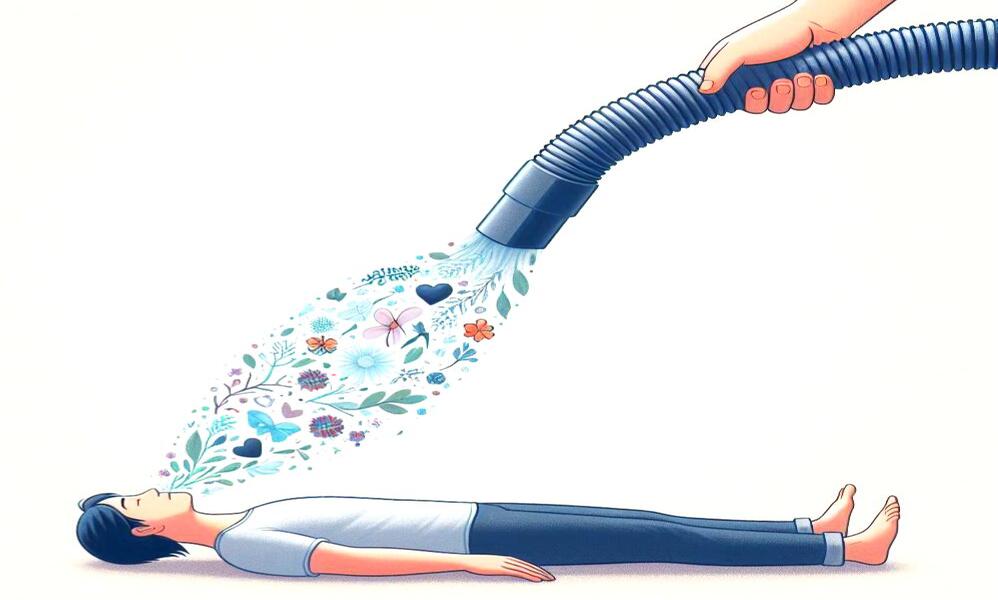
The term ‘hoovering’ comes from the popular vacuum cleaning brand. In relationships, hoovering is the tendency of a toxic person to ‘suck in’ their victim back into the toxic relationship dynamic. While it can happen in any relationship, it’s common in established romantic relationships. Toxic and abusive relationships tend to have this cyclical pattern to …
Emotional maturity is the ability to acknowledge emotions in oneself and others. Of course, you can only recognize and validate the emotions of others if you acknowledge and validate your own emotions. In other words, only when you have a healthy relationship with your emotions can you respond healthily to others’ emotions. Emotional maturity has …
Avoidants are people who tend to avoid other people. The avoidant attachment style usually stems from early childhood interactions with one’s primary caregivers. While avoidants struggle with relationships, those with Avoidant Personality Disorder (APD) experience significant dysfunction and distress. Traits of APD include: High-functioning APD Usually, personality disorders and mental health conditions create dysfunction and …
The following main traits characterize psychopathy: Selfishness and power-hungriness are the predominant traits of psychopaths.1 They do what they want without any regard for the consequences of their actions. Not all psychopaths are violent, but because they don’t feel the pain of others, they’re likely to be.2 You can think of psychopathy as being on …
An avoidant attachment style person’s survival or self-protection need overpowers their need for love and connection. This makes it seem like they don’t want relationships at all. But they do because they’re humans, after all. It’s just that there’s a more potent opposing force preventing them from meeting their connection needs. They fear opening up …
A narcissist is someone who’s self-centered, lacks empathy, seeks validation, and has fantasies of power and success. We all have narcissistic traits to some extent, but someone with a full-blown Narcissistic Personality Disorder makes life difficult for themselves and those around them. At the root of narcissism is low self-esteem. A narcissist tries to overcompensate …
It’s natural for grandparents to want to care for their grandchildren- their genetic relatives. The more they invest in their grandchildren, the more their genes are likely to spread in the subsequent generations. With the economy getting increasingly competitive, parents are working more with little time to devote to raising children. So, it’s not uncommon …
A narcissist is a highly selfish person who lacks empathy and believes they’re superior to others. They have delusions of grandeur and an exaggerated sense of self-importance. Since every human being is selfish to some degree, we all have narcissistic traits. In some people, however, narcissistic traits are present to a pathological degree. They have …
Toxic behavior is any behavior that harms others physically, mentally, or emotionally. While toxic behavior can be displayed by people of all age groups and genders, teenagers are known to be toxic. Dealing with teenagers is known to be a difficult time for parents. It’s mainly because teenagers go through rapid physical and psychological changes. …
Sociopathy or Antisocial Personality Disorder (ASPD) is a mental health condition in which a person harms others for selfish gain. Sociopaths have a win-lose mentality and lack remorse when they hurt others for personal gain. One may have sociopathic traits but not full-blown ASPD. In fact, most people have a mix of selfish (sociopathic) and …