Category: Tips and techniques

[rank_math_breadcrumb]

Learn how to use the knowledge of psychology to deal with your negative moods and emotions, feel good, be productive, handle people well, and reach your goals. Self-improvement and personal development are inevitable while you’re trying to understand how the mind works. It all starts and ends with the mind.

Top posts:

Recent posts:

  • How to deal with an anxious attachment partner

    How to deal with an anxious attachment partner

    If you’re in a relationship with an anxiously attached partner, you’re probably overwhelmed by them. You love them, but at times, you feel confused by their behaviors.

    Someone with an anxious attachment, also called the Anxious Preoccupied (AP) attachment style, strongly needs love and connection. All humans need love and connection, but for APs, this need trumps every other personality need.

    AP core wounds

    To understand why and how they behave and to deal with it, you first need to understand the root causes of their behaviors.

    APs likely experienced inconsistent care from their primary caregivers in childhood. When their parents were present, they were responsive and caring. But they couldn’t be present consistently. They were absent for significant periods.

    But they were not absent enough to let the child detach entirely and become a hyper-independent dismissive avoidant.

    When they were absent, the child craved being close to them. The continuous cycle of attachment and detachment resulted in intermittent reinforcement, causing the child to hold on tightly to the parent whenever they could get a hold of them.

    Ever seen those kids who cling to their parent and can’t be alone? They’re anxiously attached and are likely to behave similarly in their adult romantic relationships.

    Due to their attachment trauma, the core wounds that APs tend to carry are:

    • “I will be abandoned.”
    • “I’m not good enough.”
    • “I’m unworthy of love.”
    • “If I’m imperfect, people will leave me.”

    AP words and behaviors

    Stemming from the above core wounds, APs may say things like:

    • “Do you love me?” (A million times)
    • “Do you really love me?”
    • “You don’t love me as much as I do.”
    • “You don’t care about me as much as I do.”
    • “I don’t deserve you.”
    • “I’m not good enough for you.”

    They might ask:

    “How did someone like me end up with someone like you?”

    They might say it in a self-derogatory manner or, albeit rarely, to put you down to compensate for their low self-esteem.

    AP behaviors

    • Being good at connecting with others
    • Afraid of being alone
    • Being needy and clingy in relationships
    • Being overly dependent on others
    • Having trust issues1
    • Having a low self-esteem

    Dealing with an anxious attachment partner

    Dealing with an AP partner is all about understanding why they think and behave the way they do. If you have a different attachment style, it’ll feel like they’re living in an entirely different world.

    They have different needs, values, and expectations.

    Start by looking at where you two differ from each other in thoughts, ideas, feelings, expectations, and behaviors. These points of difference that often create conflict usually stem from having different attachment styles.

    Having the awareness that what triggers them is entirely different from what triggers you is a giant leap forward.

    Next, trace their triggers back to their core wounds.

    When dealing with an AP, always keep their core wounds in mind. They are the root causes or vulnerabilities2 that you need to manage and help them heal.

    AP triggers

    You disconnect from them because you want some time for yourself.

    How they see it:

    “I’ve been abandoned.”

    You forget to respond to their text.

    How they see it:

    “I’m not worthy of love and care.”

    Note the times when they falsely interpret reality to confirm their core beliefs. Listen to them and validate their concerns. Then, slowly and patiently, tell them why they’re wrong in their interpretations.

    Over time, they’ll cease to believe their core wounds so much and reprogram them.

    Emotion works better than logic in reprogramming the subconscious mind.

    For instance, when they say:

    “You didn’t message me back because you don’t love me.”

    If you say:

    “I was busy at work.”

    They probably won’t believe you. Core wounds aren’t easily overridden. They might only believe you if you give them additional proof.

    If you say:

    “I was busy at work. I do love you.”

    Big difference.

    In the second reply, you’re addressing their core wound on an emotional level. You’re not just addressing the superficial complaint.

    Additional things you can do

    1. Teach them boundaries

    Teaching an AP partner boundaries is the most important thing you can do for yourself and the relationship. APs always want to connect, but they need to be taught that such a high need for connection is unhealthy.

    Be prepared to remind them of your boundaries and space needs repeatedly. Eventually, they’ll understand that disconnection doesn’t mean you don’t love them. They’ll stop personalizing it.

    You can say things like:

    “When I give time to myself, I can be more present with you later.”
    “I need space from time to time to feel good.”

    APs want you to feel good because they’re so emotionally attuned to you that they feel bad when you feel bad.

    2. Avoid breaking promises

    APs overreact to broken promises because they have trust issues. You’ll find them complaining along the lines of:

    “You said you’d do X. Why didn’t you do X?”

    They’re more upset than angry when they say that.

    X here is anything that’ll make them feel more connected to you. Eating out together, shopping together, watching a movie together, etc.

    In response, you might say:

    “It’s not a big deal.”

    Them: “It IS a big deal.”

    You: “It’s not.”

    Them: “It IS.”

    X may not be a big deal to you, but to them, it really is.

    Instead of arguing about whether or not it’s a big deal, try saying:

    “It’s okay. We’ll do it tomorrow/next week/next month.”

    3. Reassure them

    APs want reassurance. Give it to them, and they’ll be happy.

    If you’ve paid attention to the times when their demands for attention and reassurance have increased, you may have noticed that it happened because you were slightly distant for some reason.

    You have to make up for that distance with closeness.

    Appreciate them and say you love them every once in a while to keep their tank full. Showing care with words and actions can positively impact APs.

    4. Give physical affection

    Physical affection is a great way to connect, and since APs have higher connection needs, they naturally have higher physical affection needs. They’ll often want to hug, kiss, cuddle, and hold hands.

    5. Handle their criticism

    When an AP’s needs aren’t met, they can resort to criticism to get your attention. You can take it less personally when you understand that their criticism is just a bid for attention.

    However, this doesn’t mean you should allow them to put you down constantly. Instead, set boundaries by saying something like:

    “I don’t like it when you talk to me that way.”

    Instead of putting them down in return and touching their low self-esteem wound, you can disconnect for a while, giving them time to reflect.

    6. Encourage self-reflection and growth

    APs rarely self-reflect because they’re so busy connecting all the time. They over-focus on others at the cost of focusing on themselves. And it’s impossible to heal and improve without focusing on yourself.

    Encourage them to focus more on themselves and help them develop a sense of self.

    References

    1. Rodriguez, L. M., DiBello, A. M., Øverup, C. S., & Neighbors, C. (2015). The price of distrust: Trust, anxious attachment, jealousy, and partner abuse. Partner abuse, 6(3), 298-319.
    2. Simpson, J. A., & Rholes, W. S. (2017). Adult attachment, stress, and romantic relationships. Current opinion in psychology, 13, 19-24.

  • How to heal anxious attachment: A brief guide

    How to heal anxious attachment: A brief guide

    Our interactions with primary caregivers form our attachment styles in early childhood. Our attachment style, or how we attach ourselves to our parents, also tends to be how we attach to our romantic partners.

    There are four attachment styles:

    1. Secure
    2. Anxious Preoccupied
    3. Dismissive Avoidant
    4. Fearful Avoidant

    Anxious attachment style, also known as Anxious Preoccupied (AP) attachment style, is when a person has high needs for love and connection in a relationship. Their connection needs are so strong that whenever they sense any potential or actual disconnection, they experience anxiety.

    AP Signs

    Following are the signs of anxious preoccupied attachment:

    • Being good at connecting with others
    • Fear of being alone
    • Being needy and clingy in relationships
    • Low self-esteem
    • A tendency to overthink
    • Having trust issues
    • Being codependent

    The root cause of this style

    At its core, anxious attachment is all about a fear of abandonment. When they were children, the anxiously attached individuals experienced inconsistent caregiving from their primary caregivers.

    Their parents were present and responsive when available, but soon became unavailable for whatever reason, such as work or moving to a new location.

    As a result, the child had to cling to their parents when they were available and couldn’t self-soothe when they weren’t. There wasn’t enough disconnection in the relationship dynamic for them to break free and become independent like avoidants.

    Anxiously attached individuals are hypervigilant about being abandoned, rejected, and excluded. They’re wired to avoid abandonment at all costs. So, they’re likely to see abandonment where it doesn’t exist.

    This hypervigilance was necessary for their survival in childhood, but creates conflicts in their adult romantic and other relationships.

    Healing

    Healing anxious attachment starts with understanding the patterns that appear in your romantic relationships. If most of the above signs apply to you, you’re likely an anxiously attached person.

    Anxious attachment has both positives and negatives. APs tend to be kind, sweet, caring, and charming. They can light up the room with their warmth and connection.

    However, the negatives significantly impact the quality of their relationships and happiness.

    How exactly?

    They tend to have core wounds that are triggered in certain situations. When these core wounds are triggered, they react emotionally and act hurtfully towards others.

    So, the main job when it comes to healing anxious attachment is to manage these triggers and reprogram the beliefs behind them.

    “I will be abandoned” core wound

    The reason APs have such high expectations for connection is that, deep down, they have an intense fear of abandonment. Their strong need for love and connection is an overcompensatory mechanism that often burdens their partners.

    After all, no one can be available and connect all the time. People have their own things to do.

    So, if you’re in a relationship with an AP and you dare to take time for yourself and other things, your partner is likely to get triggered. They get triggered because your distance, distraction, or divided attention touches their abandonment wound.

    If you’re an AP, you need to be aware of your triggers. When you get triggered, go inward. Notice your thoughts and feelings. They’re probably lying to you. Your partner most likely isn’t abandoning you.

    When you do this enough times, you’ll reprogram the beliefs that trigger your emotions. Over time, the triggers will weaken or disappear altogether.

    “I’m not enough”

    Why do APs over-focus on their relationships?

    It’s because they derive their entire identity from their relationships. Since they didn’t get a chance to become independent during their psychological development, they become codependent and enmeshed with others.

    The problem with not having a sense of self is that you don’t know what you want from life. The problem with not knowing what you want is not doing what you want. The result of not doing what you want is low self-esteem.

    APs tend to put their relationship partners on a pedestal because they’re like:

    “If my partner is good, then I’m good.”

    We all identify with our partners to some extent. That’s normal. But APs do it too much.

    The solution to this is identity diversification.

    It’s okay to identify with your partner, but you also need to have a life outside of your relationship. You fall behind in other life areas when you’re over-focused on your relationship.

    If you’re AP, start giving time and attention to other life areas that you’ve been ignoring. This doesn’t have to take away from your relationship. Your relationship will only strengthen when you don’t burden your partner, and they see you working on yourself.

    “If I’m not perfect, people will leave me.”

    This core belief prevents APs from working on themselves. When you start working on yourself, you won’t be perfect immediately. Failure is inevitable when you try something new.

    While failure doesn’t feel good for anyone, APs get massively triggered by it because they believe that if others see them as failures, they’ll be rejected. While people don’t react very positively to failure in others, it doesn’t necessarily mean you’ll be punished with exclusion when you fail.

    Some people support their partners through endless failures. They exist. You may fail in one life area, but be good in other areas for which others love you.

    Of course, when you’re triggered, this type of rational thinking is hard to come by. Hard, but not impossible.

    You can incorporate self-compassion and re-parenting when trying to reprogram these beliefs. For example, you can say to yourself:

    “It’s okay. You’ll do better next time.”

    Just as a supportive parent would to their child.

    The subconscious mind responds very well to emotions.

  • How to respond to a compliment humbly

    How to respond to a compliment humbly

    A compliment is like a greeting. When you greet someone, you acknowledge their existence and expect them to do the same. You communicate that you value them and want them to value you, too.

    The same reciprocity lies underneath the dynamics of compliments.

    When someone compliments you, they’re giving you a status boost. They’re raising you in their eyes and the eyes of the audience present.

    When someone of high status compliments you, they share some of their status with you. Hence, people crave to be praised by high-status people.

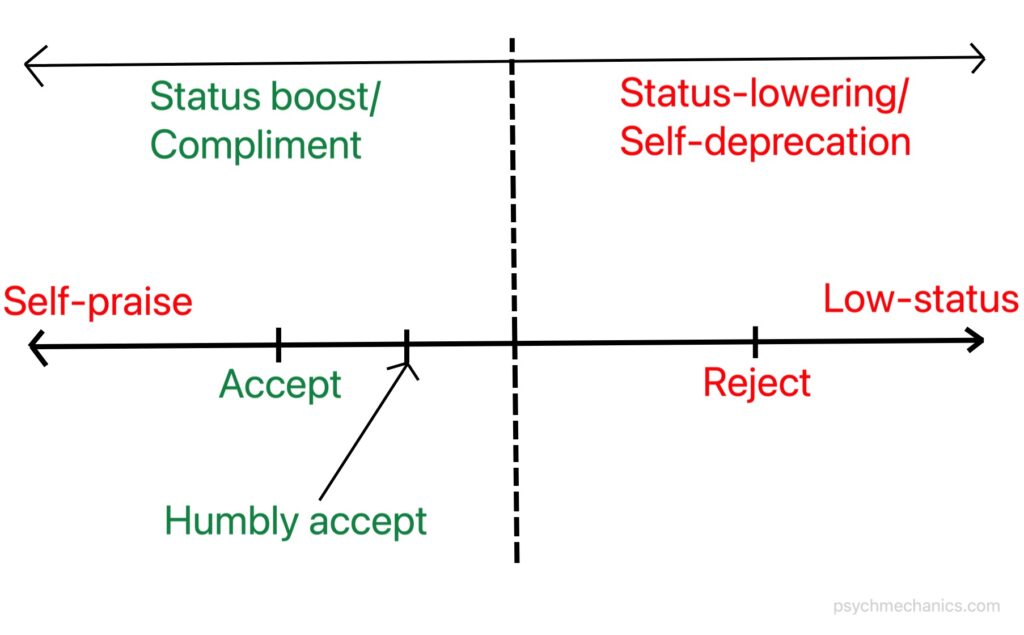
    Compliment response spectrum

    Say you’re in a conversation with someone. They compliment you out of the blue, and you get a status boost. Now, depending on your response, you can accept or reject the compliment.

    The tricky part here is fine-tuning your response so that it lands at just the right spot on the spectrum where you accept the compliment but don’t raise your status to obnoxious levels.

    Ideally, you want to stay humble with your response but not so much that you lower your status.

    compliment response spectrum

    Ways to respond to a compliment humbly

    1. Acceptance + Gratitude

    The first thing to do when someone compliments you is to accept it. I said earlier that compliments are like greetings. If you don’t accept compliments, it has the same effect on them as when you don’t accept their greetings.

    They feel rejected, devalued, invalidated, and unappreciated.

    But acceptance has to be paired with gratitude to make it a humble response.

    Acceptance alone is better than rejection, but it’s too status-enhancing.

    “You look pretty.”
    “I agree.”

    “You’re so smart.”
    “I know.”

    Even though the above responses come across as confident, they feel slightly off because they lack gratitude. A lack of gratitude keeps your status boosted, and you’re at risk of entering the self-praise or pride zone.

    When you include gratitude in your response, you fulfill reciprocity by acknowledging the compliment and paying something back in return. People who engage in reciprocal social interactions are perceived as less arrogant, humble, and trustworthy.

    Humble responses:

    “You look pretty.”
    “Thank you.”

    “You’re so smart.”
    “Thanks for saying that.”

    In face-to-face interactions, non-verbal signals are a massive part of gratitude. Smiling, leaning towards them, and expressing that you’re pleasantly surprised go a long way to show your acceptance of the compliment.

    Rejecting a compliment involves denying, questioning, or downplaying the compliment. While it may feel humble to do so, it’s invalidating and, thereby, a socially inappropriate way to handle compliments.

    “You did an awesome job.”
    “Oh! That was nothing.” (Downplaying)

    “You nailed the presentation today!.”
    “Not at all.” (Denying)

    “Your new hairstyle rocks!”
    “Really?” (Questioning)

    These responses are too status-lowering to the point of being self-deprecating. They reek of low self-esteem and self-doubt.

    2. Avoiding self-praise

    When you’re complimented, you get a status boost and are at risk of entering the self-praise territory. If you let the compliment get to your head, you can succumb to self-praise.

    Praising yourself after you’ve been complimented is like getting a double status boost. It’s too much. While it may sometimes appear funny or confident, it’s more likely to generate eye-rolls and cringe responses.

    “You’re so good at singing.”
    “I’m the best singer in the country.”

    “You look handsome.”
    “I’m also very intelligent.”

    Humble responses:

    “You’re so good at singing.”
    “Thank you! That’s very kind of you.”

    “You look handsome.”
    “That was nice to hear.”

    3. Repaying the compliment

    When done right, returning compliments is an excellent way to handle compliments humbly. You want to do it when you genuinely appreciate something about them, not out of obligation and formality.

    Because receiving a compliment triggers reciprocity, people feel pressured to return the compliment as soon as possible. In a hurry, they’re likely to praise something they don’t really appreciate in the other person.

    For example:

    “You’re beautiful.”
    “So are you.”

    Are they, though?

    If they’re average-looking, everyone in the room, including them, will probably think you said that just to show you’re nice.

    Also, even if they are beautiful, it still creates awkwardness because you immediately shift the focus back on them, thereby rejecting their compliment. You left their compliment hanging in the air.

    Humble response:

    “You’re beautiful.”
    “Thank you. So are you.” (Better response with acceptance + gratitude)

    4. Sharing credit

    Again, this has to be done accurately and genuinely. If someone praises you for work you didn’t do, give credit where it’s due. If some people helped you, share the credit with them.

    When you share credit with others who help you, you seem humble. This is why celebrities thank a list of people when they get an award and why authors have an “Acknowledgments” section.

    It’s heartwarming to see these high-status people being humble and team players.

    “Great work!”
    “Thank you! I did it all by myself.”

    Even though the above response has acceptance and gratitude built in, the fact that they’re hogging all the credit leaves others feeling off when they hear it.

    That’s true, even if they did, in fact, do it all themselves. It’s just a not-so-humble and self-aggrandizing way to handle compliments.

    No matter how great your success, there are bound to be people who helped you on the way.

    Humble response:

    “Great work!”
    “Thank you! Couldn’t have done it without my team.”

    Be wary of giving away all the credit to others, though. You can’t convey you had no contribution to your success. Then why is it your success in the first place?

    Doing so is self-deprecating and makes you look like you’re trying hard to appear humble.

    “You were wonderful at the conference!”
    “My assistant did everything for me.”

    Also, this response also creates awkwardness because it leaves their compliment in the air. You shifted focus to your assistant instead of properly acknowledging the compliment.

    Humble response:

    “You were wonderful at the conference!”
    “My assistant helped me a lot.”

    This response is a good balance of acknowledging the compliment and not raising your status too much by shifting the focus to someone else. Even though there’s a lack of gratitude, it still hits the bull’s eye of humility.

    5. Focusing on effort vs being special

    Self-praise is terrible in almost all circumstances. However, there are rare occasions where it ceases to be off-putting, if not inappropriate, and even inspiring.

    Take a look at this clip of rapper Snoop Dogg praising himself:

    Most people found this clip inspiring, even though it’s self-praise. Why?

    Because he’s praising his hard work and effort, not himself. There’s a difference.

    When you praise yourself or your unique personality traits like intelligence, you make others feel inferior. You communicate:

    “I’m more intelligent compared to you.”

    When you praise your effort, you give others hope that if they put in the same effort, they can get the same results. You communicate:

    “I’m not special. You can do it too.” (Humble)

    People find effort inspiring, but the reality is success takes more than effort. It also takes intelligence, creativity, and sometimes luck.

    But people don’t want to hear that because everyone can’t be intelligent, creative, and lucky. But everyone can work harder.

    If he had said in the video, “I wanna thank me for being smart” or “I wanna thank me for being so creative”, it probably wouldn’t have had the same effect on viewers.

    6. Avoid dragging the compliment frame

    The concept of ‘frames’ is interesting in social psychology. Every social interaction occurs within a frame.

    A compliment frame is a status frame involving giving and receiving a status boost. You lower your status if you hold the compliment frame for too long.

    Here’s what I mean:

    Scenario 1:

    Someone compliments you.
    You thank them and move on. (You avoid dragging the compliment frame)

    Scenario 2:

    Someone compliments you.
    You thank them profusely. (You drag the compliment frame)

    When you drag a frame, you remain stuck in it. People drag frames when they have something to gain from that frame.

    If you drag the compliment frame, you show that you need the compliment too much. It shows that you’re not used to getting compliments.

    If you get a compliment, accept it, express gratitude, and then move on, you avoid dragging the frame and show that getting compliments is not a big deal for you.

    This is why you never see celebrities dragging the frame when complimented. They take compliments graciously, like a high-status person should.

    But when they compliment a fan, if they do, the fan goes wild and ‘stays in the frame’ for too long. They’re over-impressed, and it takes them a while to get over it.

    “I read your book. It was amazing!”
    “Thanks! You just made my day!”

    This response, while being honest and gratitude-laden, is also very power-giving and status-lowering. The days of high-status people are already made. They don’t need their fans to make their day.

    This is why you never hear a celebrity saying “You made my day” to a fan. They care about their status and image.

    Humble response:

    “I read your book. It was amazing.”
    “Thanks. Glad to know you liked it.” (Moves on to give an autograph)

    Note how being glad is less of a status loss than having your day made. Hence, this response lands at just the right spot on the compliment response spectrum.

  • 7 Signs your husband is emotionally cheating

    7 Signs your husband is emotionally cheating

    People tend to think cheating only involves being physically intimate with another person. Previously, I’ve talked about how there are different types of intimacy.

    In a romantic, committed relationship, the levels of intimacy tend to be the highest. When one partner cheats, the intimacy level decreases, causing damage to the relationship.

    This decrease in intimacy level can occur in any type of intimacy, not just physical intimacy. Emotional cheating occurs when there’s a substantial decrease in the emotional intimacy between partners in a committed relationship.

    What qualifies as emotional cheating?

    If your partner decreases the level of emotional intimacy with you and increases it with someone else beyond acceptable levels, they’ve committed emotional cheating.

    What does that look like?

    They build a deep emotional connection with someone else that they should be building with you. They talk about and share things with someone else that they should be talking about and sharing with you.

    Emotional cheating vs. friendship

    Where does one draw the line between emotional cheating and friendship?

    What if your partner is just being friendly with someone, and you’re seeing it as an emotional affair?

    That’s entirely possible. Jealousy can totally make you accuse your partner of emotional cheating. Other times, your accusation might be justified. They crossed boundaries with their ‘friend’, and it rightfully hurt you. This is why emotional cheating is such a tricky topic. Knowing what signs to look for can help you decide whether or not your partner is emotionally cheating.

    Signs your husband is emotionally cheating

    While both husbands and wives can engage in emotional cheating, it’s more damaging to wives. They may be able to forgive a one-time, irresponsible hook-up, but know that emotional intimacy takes time to develop. So, if your husband is emotionally cheating on you, you know that this third person has wrapped their claws around your husband’s soul. It’s only a matter of time before they snatch him from you.

    1. He’s become emotionally distant and unavailable

    We humans have limited emotional capacities. It’s hard for us to emotionally invest in multiple people at the same time and invest heavily in each one. So, if your husband is emotionally investing in someone else, you’ll feel that investment being taken away from you. If he’s not investing in you emotionally, he’s probably investing in someone else.

    2. He keeps things superficial with you

    You may have tried to connect with him deeply, but he was dismissive of it. Again, if he’s connecting deeply with someone else, he can’t do the same with you. He has to keep things on a superficial level with you. You’re no longer the first person he shares his good news and setbacks with. You’re no longer the person he seeks comfort from.

    3. He’s become secretive and defensive

    He hides his text messages from you. He goes into another room to talk on the phone with this third person. He’s trying to hide the inappropriate conversations that occur between him and this third person. If you voice your concerns, he becomes defensive. He doesn’t want you to explore the issue because he doesn’t want to face his transgressions.

    4. He’s become more irritable

    Often, people emotionally cheat because they’ve lost respect for their partner. Or they are unable to meet their emotional needs within their romantic relationship. If he’s emotionally cheating on you, he’ll get irritated by the slightest things you do because he no longer likes you.

    5. Comparisons

    If he’s emotionally cheating on you, he’s seeing this third person as a potential partner. So, he’ll likely compare you to them and tell you how he wishes you were more like them.

    6. He shares a lot less with you

    And a lot more with the person he’s emotionally involved with. Not just emotional stuff, but also personal and private things. If this third person knows things you should know, it’s almost guaranteed that your husband is emotionally cheating on you.

    7. He doesn’t talk about the future with you

    When we plan to spend the rest of our lives with someone, we naturally talk about the future with them. If your husband has stopped discussing the future with you, he’s probably thinking about spending his future with someone else. This is because, subconsciously at least, he perceives this third person as a potential partner.

  • Is Psychology a useless degree?

    Is Psychology a useless degree?

    There’s a scene in the movie Circle (highly recommended, by the way) where a woman introduces herself and says she has studied Psychology. One of the guys listening contemptuously and sarcastically says:

    “Oh, that’s useful.”

    Being a Psychology enthusiast, that scene disappointed me. I know that’s not how a lot of people think. But many people do think like that. Many people believe Psychology is useless, especially as a degree.

    Useless to you, not to me

    People see reality differently based on their beliefs and values. A person who thinks Psychology is useless clearly doesn’t see any benefit in it. It’s hard to convince them to see the value in it.

    Others like me are 100% convinced that Psychology is valuable.

    Often, people who think pursuing Psychology is useless haven’t really dived into it. Perhaps, they have only seen the ‘trailers’ on social media. You can’t judge a movie based on a trailer.

    Many psychology-related pages on social media share nonsense that is repelling. I can understand how repelling it can be to people who only have a surface-level understanding of it.

    Is a Psychology degree useless?

    It depends on what you mean by useless.

    Psychology can help you better understand yourself and others. Is that useless?

    It can help you persuade and influence others. Is that useless?

    It can improve your productivity and relationships. Is that useless?

    People who wonder if Psychology is worth pursuing as a career are usually worried about job prospects. And the concern is genuine. There aren’t many jobs that require a Psychology degree.

    Open up any job portal and look at what employers are looking for. You’ll see that most employers are looking for people with technical skills like engineering, medicine, law, and accounting.

    Psychology and Business are fields that impart you with high-level, strategy-oriented skills. Unlike technical skills, these skills are highly transferable.

    Say you’re a software developer proficient in a coding language. The field of computer science is rapidly evolving, and the technical know-how you have might become irrelevant in the future.

    But knowing what makes people tick and how to run a business will never go out of style. These are skills you can apply in any industry.

    Not many people understand this. When a relative heard that I was pursuing Psychology, he asked, “So, you want to be a shrink?”

    This is the perception a lot of people have about Psychology. They think Psychology is all about mental health. While mental health is undoubtedly a big part of Psychology, that’s not all it’s about.

    Fields, where you can apply psychology, include:

    • Marketing
    • Sales
    • Customer service
    • Human Resources
    • Management
    • Healthcare
    • Law enforcement
    • UX design

    In addition, Psychology improves your meta-skills like:

    • Research
    • Communication
    • Critical thinking
    • Problem-solving

    Why is a Psychology degree considered useless?

    Why doesn’t the job market doesn’t value Psychology?

    If Psychology is useful, why are so few employers looking for a candidate with a Psychology degree?

    The answer: Most employers don’t see the value in Psychology.

    Why would they? They haven’t really dived into it. They think like my relative. To them, Psychology is all about being a shrink.

    But there are a few intelligent employers who do see the value in a Psychology degree. Not easy to find them, but they do exist.

    The job market and employers value tangible skills that they can see. If you can fix someone’s computer, they can see the value you provided to them. They’re going to pay you handsomely for solving a tangible and visible problem.

    Psychology solves invisible problems. Healing trauma, increasing productivity, and getting better at influencing others are invisible, intangible, and obscure skills. It’s hard for me to show you clear, visible proof if I claim to be good at these things.

    Another reason Psychology is undervalued in the job market is because it’s a generic and broad subject. It has many sub-fields. The job market values specialization.

    Many people can do generic stuff, but only some can specialize. Specializations are rare and, therefore, valuable. Plus, many problems require specific, not generic, solutions.

    You have to specialize to become a good problem-solver and, thereby, appealing to the job market.

    If you have done a Bachelor’s in Psychology, that doesn’t have much use because you haven’t specialized. Taking up a specialization in your Master’s helps you command better compensation.

    Passion vs. Practicality

    Choosing the right career is one of the most important and difficult decisions one must make. There are a lot of variables that go into this decision.

    Choosing the right career for you comes down to being honest about what you want.

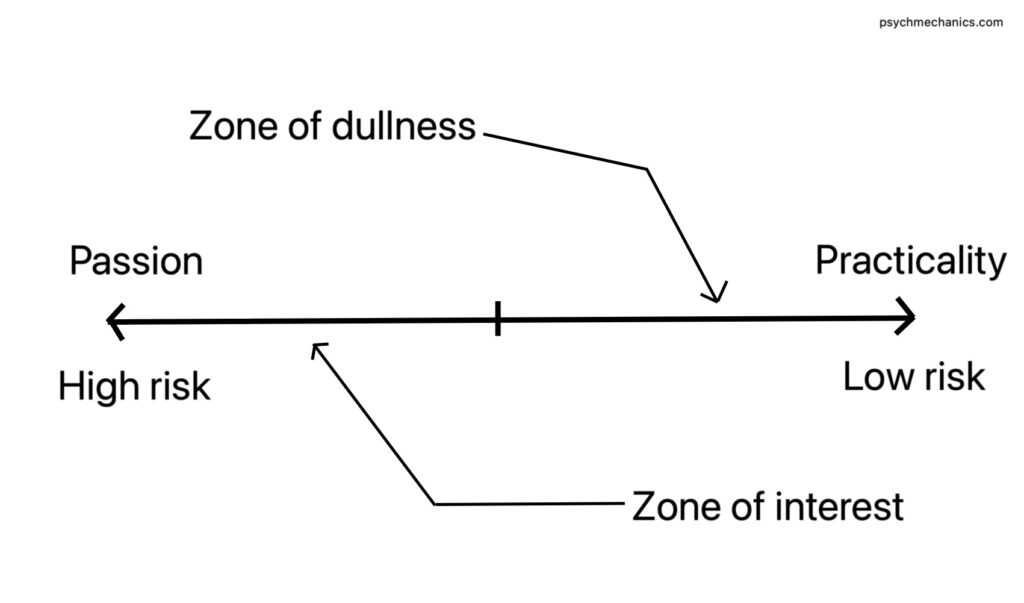
    There’s a passion-practicality spectrum all careers fall on. On one end of the spectrum are things and activities you’re passionate about. These tend to have low market demand, or turning them into successful careers is tough. The odds aren’t in your favor.

    For instance, musicians.

    Many people who’re into music are uninterested in pursuing it professionally because they understand it’s tough, if not impossible, to make a career out of it. More musicians fail than succeed.

    On the other end of the spectrum, we have things and activities that are boring or even unpleasant but have high demand. Or it’s easy to turn them into successful careers. The odds are in your favor.

    Many accountants, for example, find their work tedious, but they do it anyway because they’re decently compensated. These are practical people. They don’t believe in turning hobbies into careers.

    passion spectrum

    So, where do you lie on this spectrum?

    What’s more important to you? Passion or practicality?

    Fortunately, you don’t have to choose either. Your career could fall in the middle of the spectrum. You could be interested in what you do, and what you do has decent demand in the job market.

    But remember, choosing that middle path is likely to yield average results. It’s people who’re passionate and practical people who go very far in their careers.

    A passionate person can go all in without worrying too much about the market, and a practical person is all about the market. A passionate person becomes so good at what they do that the market can’t ignore them. A practical person goes where the market goes.

    The person in the middle is always trying to balance passion and practicality. It comes in the way of maximizing success, but at least this approach is not as risky as pure passion or dull as the purely practical approach.

    Choosing your ideal career

    You need to have a vision for your career. What do you see yourself doing career-wise in the future?

    For me, I always loved researching and writing. I spend most of my time doing that.

    What does your ideal day look like? You have to answer this question because you’ll live this day repeatedly.

    How does your career fit into your ideal day?

    What type of people do you want to work with?

    Do you want to work independently or within a team?

    Ideally, your work should align with who you are. What does that mean?

    That means your work should be in line with your core values. It should satisfy your unique personality needs.

    For instance, one of my core values is ‘growth’. I can’t be in a career where I can’t grow.

    Finding the right career for you is a matter of figuring out who you are and owning that. We attract people and jobs that align with who we are.

    I understand that advice may seem a bit vague and ‘invisible’. But it’s the most important thing to keep in mind if you care about job satisfaction.

    “The best and most beautiful things in the world cannot be seen or even touched – they must be felt with the heart.”

    – Helen Keller
  • Deprogramming after narcissistic abuse

    Deprogramming after narcissistic abuse

    The following traits characterize a narcissistic personality:

    • A grandiose sense of self-importance and superiority
    • Believing they’re special and should only associate with special others
    • Craving attention and admiration
    • Having fantasies of unlimited success, brilliance, power, and beauty
    • Having a sense of entitlement
    • Taking advantage of others
    • Lacking empathy and being unwilling to recognize other people’s feelings or needs
    • Envious of others and think others are envious of them
    • Showing arrogant behaviors and attitudes

    Not everyone with these traits has a full-blown Narcissistic Personality Disorder (NPD). Most people have a mix of narcissistic and empathic traits.

    In some people, their narcissism overshadows their empathy. They’re the ones likely to hurt others and have NPD.

    Narcissistic abuse

    Narcissists are like children who think that the world revolves around them. They think they’re superior and more important than everyone around them. Others should bend over backward to cater to their needs.

    A hallmark trait of narcissism is devaluation. Narcissists devalue or put people down any chance they get. They even put people close to them down. They’re always finding fault with other people.

    If you’re on the receiving end of devaluation, your self-esteem suffers. Narcissists devalue others because they genuinely believe they’re better and want other ‘inferiors’ to comply.

    “Since I’m better than you, you should do as I say.”

    Other forms of narcissistic abuse include:

    • Gaslighting
    • Ignoring
    • Cheating
    • Yelling at you
    • Embarrassing you
    • Physically abusing you
    • Calling you names
    • Blame-shifting

    Another key trait of narcissists is that they rarely admit their mistakes. Admitting mistakes would touch their deeply-held shame wound and make them go berserk. Narcissism is essentially a coping mechanism and overcompensation for deeply-held shame.

    Narcissistic abuse can occur in any relationship, but having a narcissistic parent or partner is especially torturous.

    Because they’re close to you, a narcissistic parent and partner can suck the life out of you. A narcissistic parent won’t let you become your own person and ensure you become their version of who they want you to be.

    If you somehow break free from a narcissistic parent and manage to build your identity, a narcissistic partner may still swoop in and take away your identity and self-worth.

    Deprogramming after narcissistic abuse

    Many people are stuck in narcissistic relationships, not understanding what’s happening. Their narcissist love-bombs them and then devalues them (Idealisation-devaluation cycle).

    As a result, victims of narcissistic abuse are left confused. They keep second-guessing themselves. They keep developing strategies to deal with the narcissist in their life. They waste a lot of time recovering from the narcissist.

    As many experts who’ve studied narcissism for life will tell you, they don’t change. So, trying to make them aware of their ways may well be an exercise in futility. You may see some progress, but soon, you’ll find that they take one step forward and two steps back.

    To recover from narcissistic abuse, you have to control the controllable. You may not be able to control the narcissist, but you can control yourself.

    Here are ways to deprogram after narcissistic abuse:

    1. Accept the abuse

    Accept you were abused. If you’ve only been in narcissistic relationships, they become your normal. You think that’s how relationships are supposed to be.

    To deprogram yourself from this false belief, look at how people in healthy relationships behave. Note the discrepancies between those relationships and your own.

    This can be an eye-opening experience for victims of narcissistic abuse. It’s an essential first step to recover from the abuse.

    2. Understand how it affected you

    While you can talk to other victims of narcissistic abuse to gain insights into how you were affected, only you can truly understand how it affected you.

    Devaluations and criticisms from a narcissistic parent may have become part of your inner voice, for example. Only you know what your inner voice sounds like.

    Once you realize that your inner voice isn’t really your voice but a leftover from your abusive narcissist, you can start questioning it.

    Those leftover voices are not just voices. They’re thought patterns and beliefs that have shaped who you are. They’re limiting beliefs that hold you back. They’re the beliefs you need to deprogram.

    Note what situations awaken your inner critic. Note how it prevents you from trying new things or doing things you’d like to do. These voices can haunt you and hold you back long after the narcissist has left your life.

    3. Challenge the negative beliefs

    When a narcissist keeps devaluing you, their criticism becomes your inner critic. Your subconscious mind gets programmed by repetition and emotion. Your narcissist devalued you. You felt afraid and sad. This happened over and over.

    These programs became your identity.

    To deprogram yourself, you have to challenge and question these borrowed beliefs.

    For example, victims of narcissistic abuse are likely to become perfectionists because of their fear of criticism.

    Narcissistic parent:

    “Why did you spill the milk, you stupid boy?”
    “Why didn’t you get perfect grades? You’ll never amount to anything.”
    “Why can’t you do anything right?”

    Victim:

    “I can’t do anything perfectly.”
    “I should do things perfectly.” (“…to gain my parent’s approval.”)

    Ways to challenge this belief:

    “Do I really have to be perfect to accomplish things?”
    “Is perfection even possible?”

    4. Do the things you want to do (but are afraid to do)

    Narcissists control their victims via guilt, shame, and fear. If you’re just coming out of a narcissistic relationship, they likely modified your behavior according to their needs via emotional manipulation.

    This creates a subconscious comfort zone for you that you find difficult to break out of.

    To rebuild your identity, you must start exploring your needs, interests, and hobbies. Once you identify them, you have to pursue them.

    You’ll find great resistance in pursuing them because you’ll be stretching the limits of your subconscious comfort zone. Your subconscious whispers to you, likely in your narcissist’s voice:

    “Hey! We don’t do that here.”
    “That’s not who we are.”

    Yeah, that’s not who you are because a narcissist programmed you to be who they wanted you to be. That’s who you want to be. So you can silence your subconscious by whispering back:

    “It’s okay. It’s not going to be as bad as it looks.”
    “Who’re you? You’re not even my voice. Go away! Shoo!”

    Over time, all that fear your narcissist programmed you with will weaken. You’ll build yourself an identity which is perhaps the best thing you can do for your mental health.

    Many victims end up doing amazing things in life once they break free from their narcissists, physically and mentally.

    5. No contact

    If you can break free from your narcissist completely, you should. If you can’t remove them from your life for whatever reason, you’ll have to minimize their impact on you.

    You can do this by minimizing contact with them. Don’t give them things to use against you. Don’t share personal information with them. Don’t share your hopes, dreams, interests, and insecurities with them.

    Distance yourself from them emotionally as much as possible. Do the bare minimum required to maintain the relationship.

    The fact is, what you focus on in your life grows. You’ll get sucked into their drama and manipulations if you give attention to your narcissist.

    6. No supply

    Narcissists have people around them who become their narcissistic supply. These are people who give admiration and validation to the narcissist. They allow themselves to be dominated and controlled by the narcissist.

    Refuse to be their supply.

    Stop agreeing with them when they devalue others. Stop listening to their sob stories that paint them as victims to gain your empathy and sympathy. If you can’t avoid that, at least don’t give them your emotional reactions.

    Narcissists feed off the emotional reactions you give them. If they manage to get a rise out of you, they feel powerful. They’ll ask you an innocent question or bait you into a ‘discussion’ that’ll soon become heated. Don’t take the bait.

    7. Set boundaries

    Once you build yourself an identity, you’ll likely do things that the narcissist in your life won’t approve of. Set clear boundaries with the narcissist. Try stating your needs and boundaries assertively. If that doesn’t work, you may have to resort to aggressiveness.

    Anything to drive the idea into your narcissist’s head that if they want to be in your life, they’ll have to respect your boundaries.

  • How to put someone in their place without being rude

    How to put someone in their place without being rude

    If you badly need to put someone in their place, you’ve probably been a victim of verbal aggression. Examples of verbal aggression include:

    • Put-downs
    • Hateful criticisms
    • Mockery
    • Sarcasm
    • Judging
    • Crude remarks
    • Talking in a condescending tone
    • Yelling
    • Offensive language
    • Threats
    • Violations of rights, space, and boundaries

    All these rude behaviors make you feel attacked. Since humans are wired to maintain their status and respect, you feel the need to defend yourself. You feel the need to put the aggressor in their place.

    But, as you’ve probably experienced, doing that usually escalates the situation and worsens things for both parties. Far from being able to maintain your dignity, you come across as aggressive and emotional.

    Hence, knowing how to put someone in their place without escalating the situation is a critical social skill.

    Communication styles

    When someone behaves aggressively towards you, you have three ways in which you can respond:

    1. Aggressively

    It’s meeting fire with fire. You respond with the same or even greater level of aggression. Responding to aggression with aggression works because people, like many other animals, are sensitive to dominance and intimidation.

    Responding to aggression with aggression communicates:

    “I’ll harm you if you harm me.”

    No one wants to be harmed. So they back off.

    But chances are, they won’t back off because they’re aggressive too. Or they wouldn’t have harmed you in the first place. Instead, they’ll attack back. So, responding to aggression with aggression usually escalates the situation.

    2. Passively

    Responding passively to aggression is doing nothing about it. Passive or submissive people find it hard to stand up for themselves. So, they tend to get walked all over.

    They don’t like being stepped on, like any other human, but don’t dare to do anything about it. Consequently, they suffer considerable blows to their self-esteem and are likely to become passive-aggressive.

    As you can see, these communication styles are nothing but the ‘fight’ and ‘flight’ responses to social threats. When faced with a social threat, most people behave either aggressively or passively.

    3. Assertively

    There’s a third response to aggression that very few people can execute. Someone who responds assertively stands up for themselves without stepping on the rights of others.

    This isn’t easy to do and requires a lot of awareness, practice, and self-control.

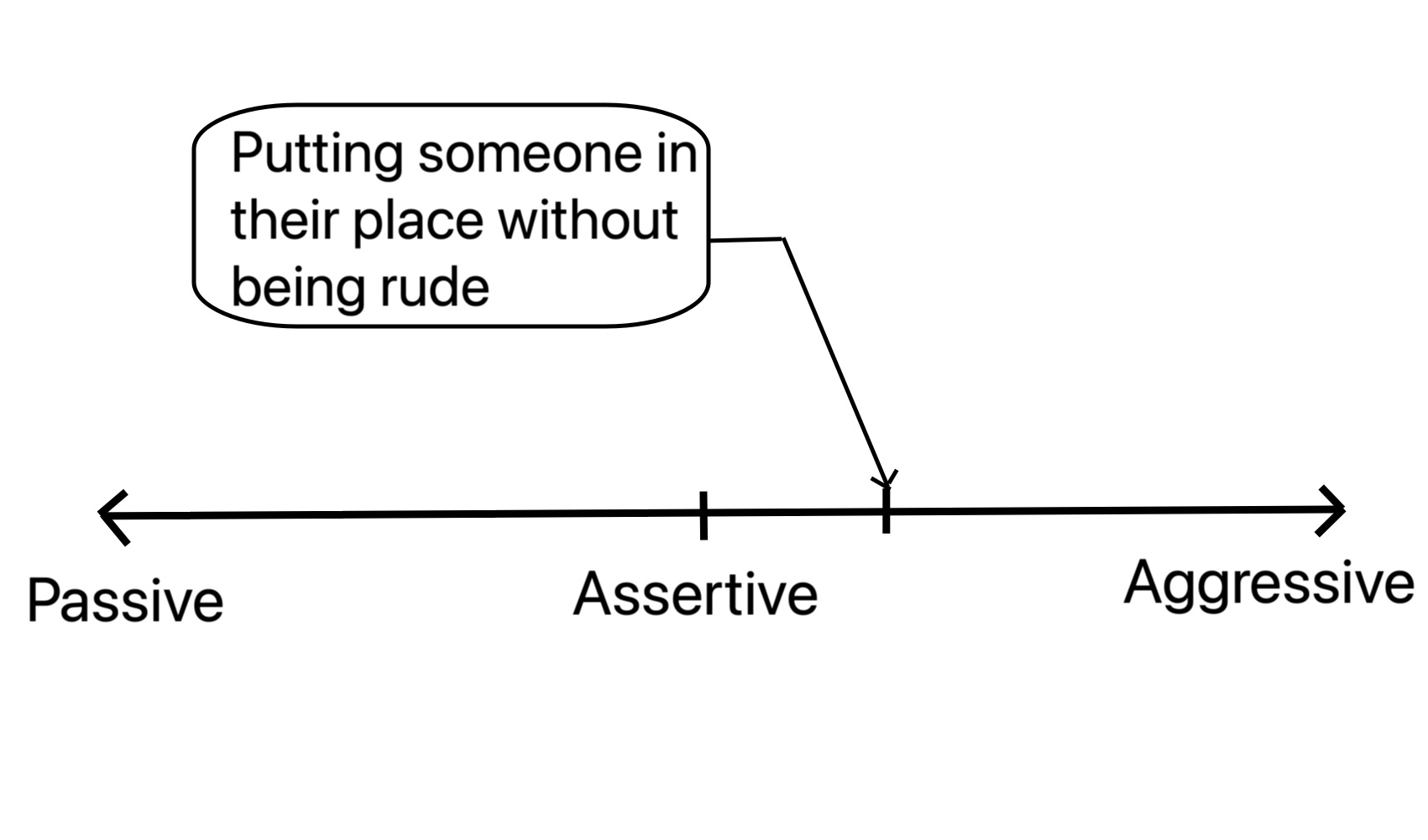
    putting someone in their place without being rude

    An assertive person has no desire for revenge. Their only goal is to safeguard their rights. An aggressive person, in contrast, seeks revenge by intimidation and putting the other person in their place.

    Someone who wants to put the other person in their place without being rude wants revenge, but in a safe way. They want to teach a lesson to their aggressor, but in a way that doesn’t escalate the situation.

    They may not want to give others a taste of their own medicine (aggression), but they do want to leave a bitter taste in their mouths.

    They want to tone down their aggression just enough so it can still leave an impact. And the other person can barely do anything about it because the impact is low but not low enough to not pinch them.

    Of course, this is even harder to execute than assertiveness and requires God-level social skills.

    The art of non-aggressive aggressiveness

    Before you decide to do anything about someone being aggressive, you want to be sure that they’re indeed being aggressive. Sometimes there’s no doubt they’re violating you, but other times, it’s unclear.

    People who’ve been traumatized, for example, tend to over-detect social threats. In other words, they’re prone to assume aggression where there is none.

    If you’re reasonably sure the other person is being a jerk, and you want to put them in their place without escalation, here are some ideas:

    1. Ignore completely

    This tactic works best with strangers and people you don’t care that much about. We do get hurt when random strangers are mean to us. People care about people in general. But, of course, you won’t care as much about a stranger as you care about a family member.

    A stranger who’s rude to you isn’t worth your time and attention most of the time. By ignoring them entirely and acting like they don’t exist, you immediately put them in their place.

    This tactic also works on people close to you but can be too risky in that scenario. You don’t want to give them the impression that you don’t care about their existence.

    2. Stay calm

    If you get angry, you’re likely to be aggressive. If you feel afraid, you’re likely to be passive. To be assertive and subtly put them in their place, you have to control your emotions.

    I know people keep advising to keep calm when provoked. It’s sound advice but hard to execute. We need to play some mind games. I’ll give you a mental model to help you practice this:

    First, understand that getting you all emotional and worked up is likely a manipulation tactic. The person trying to stir your emotions is likely trying to control you. If they make you feel the way they want to make you feel, they can make you do what they want you to do.

    Second, some people like narcissists and sociopaths may simply get a kick out of getting an emotional reaction out of you.

    Imagine them having the remote control of your emotions, sitting on the couch, changing channels, and getting entertained by your emotional reactions while you’re the TV.

    You’re a human and not a TV. It’s time to snatch that remote control from them so they can’t push your buttons.

    3. Filter out their emotions

    The reason why it’s so hard to avoid being aggressive when provoked is because aggression, especially verbal aggression, is laden with emotions.

    We react emotionally to emotional assaults.

    For instance, you may get confused if someone says something condescending to you without that condescending tone. You’d probably debate whether or not they were being condescending.

    But something neutral said in a condescending tone almost always comes across as condescending. It’s because it’s the tone and other non-verbal cues that carry the emotions and stir emotions in us.

    So, mentally filtering out the other person’s emotions can be an excellent way to not respond aggressively to a provocation.

    One way to put someone in their place politely is to address the message rather than how it is delivered. If you completely ignore how it’s delivered and find logical flaws in the content of the message, you’ll put the other person in their place.

    By saying things like “I disagree” or “That’s your opinion” in an emotionally flat tone, you remove the emotional assault and address the facts.

    There’s nothing they can do about you disagreeing with them. It’s not an attack so they can’t attack back. It leaves a bitter taste in their mouth that they can do nothing about.

    4. Use wit and comebacks

    Comebacks are effective because they’re unexpected and shock the aggressor. They allow you to hit back without escalating the situation. Since the aggressor doesn’t know how to react to your comeback, they’re put in their place.

    Some people are naturally witty and come up with good comebacks. You can listen to them and learn how they think.

    The guy in the clip below knew he was likely going to be roasted on the show. He admitted in an interview that he studied comebacks and comedy to prepare himself. As a result, he totally annihilated the host:

    You have to be careful with comebacks as they can be demeaning and therefore, aggressive. Unless you’re fighting fire with fire, of course. All is fair in love and war.

  • How to make an avoidant love you

    How to make an avoidant love you

    Avoidant attachment style is a type of insecure attachment where a person feels insecure in close relationships.

    An avoidant tries to create distance in their close relationships. Since relationships are all about bonding and closeness, this upsets and frustrates their partner.

    Avoidants, like all human beings, have a biological need for connection. But their childhood experiences have shaped them in a way that makes them avoid relationships.

    Often, children who were physically and emotionally neglected by caregivers grow up to become avoidants.

    Avoidants were left to fend for themselves from a young age. They have a strong need for independence. They believe needing someone means being weak. They don’t understand the concept of interdependence.

    Avoidants are constantly in survival mode. They’re hypervigilant and keep scanning their social environment for threats. This makes them perceive threats where there are none, and they’re easily triggered.

    Why do humans bond at all?

    If your partner is an avoidant, before trying to make them love you, you have to remember why humans love at all.

    Simply put, we love those who meet our needs.

    A relationship is a win-win contract. If both parties entering a relationship can’t see how they can ‘win’, they wouldn’t enter it in the first place.

    This means if you want to make an avoidant love you, you have to:

    1. Understand their needs
    2. Meet their needs

    Different attachment types have different needs and expectations from their relationships. This is the primary cause of relational friction and conflict. Once you understand an avoidant’s needs, you can not only reduce conflict but also lay the path for a more secure relationship.

    Making an avoidant love you

    Based on the needs of avoidants, following are the things you can do to make them love you:

    1. Make them feel emotionally safe

    Avoidants fear expressing their emotions because they fear getting invalidated and shut down. If an avoidant shares their feelings with you, it’s an excellent opportunity to bond with them.

    Listen to them, validate their feelings, and make them feel like they express anything they feel like expressing.

    2. Communicate clearly

    Since avoidants are immersed in themselves, they can easily forget your needs. They believe everyone should take care of themselves.

    It’s not that they don’t care about you. They’re too preoccupied with themselves to pay attention to you. When the time comes to show you love and care, they will.

    Do not take it personally when they need time and space for themselves.

    You must state your needs clearly and often. The clearer you can get about what you want from them, the more they’ll meet your needs. And they’ll love you for being so clear and direct.

    3. Give them space

    The easiest way to suffocate an avoidant is to take their space.

    Avoidants can defend their space like gladiators. They’ll get very defensive if you continuously interrupt them or invade their space.

    While for you, it may be easy to transition from being alone to being social, avoidants need time to make that transition. It’s like crossing a bridge between two worlds for them- like going into another dimension.

    Again, it’s not that they love you any less. They just need to be in the right frame of mind when they’re with you. They need to make space for you. Let them do that.

    4. Don’t be controlling

    Since avoidants are hyper-independent, any sign of controlling behavior from you can be highly triggering for them.

    If you’ve been with an avoidant partner for a while, you’ve probably been accused of being controlling.

    When your behavior seems controlling to an avoidant, reassure them that you’re not trying to control them. Give them opposing pieces of evidence. You can say things like:

    “If I really wanted to control you, I wouldn’t let you do X.”

    “I’m not controlling you. I’m trying to give my input for Y because Y affects me.”

    5. Criticise behavior, not character

    This applies to all humans, but avoidants are particularly sensitive to criticism.

    When you criticize an avoidant’s character, you touch their inner shame wound of “I am flawed”. This can be highly triggering for them, and they’ll probably overreact.

    When you criticize their behavior, they’ll take it well and see it as feedback for growth. Growth is the number priority in life for most avoidants, and they’ll love you if you help them grow.

    6. Be your own person

    You’re probably too clingy for an avoidant if you’re an anxiously attached person. Avoidants dislike clingy people. They want you to be more like them, more self-reliant. They want you to be able to meet some of your own needs.

    Making a dismissive-avoidant (DA) love you

    All the above points apply, plus:

    1. Avoid conflict

    Dismissive avoidants hate conflict. If you want to communicate your needs to a DA, the worst way to do that is via a conflict.

    When you fight with a DA, they enter survival mode and will try to win. Instead, try communicating your needs more harmoniously.

    2. Avoid being overly demanding

    Be careful how you demand a DA’s time, energy, and attention. Make sure you don’t come across as overly demanding, or they’ll push you away.

    Saying something simple like, “When will you be free?” will make a DA fall in love with you. You’re showing them you respect their time, energy, and space.

    Making a fearful-avoidant (FA) love you

    All the above points for avoidants apply, plus:

    1. Be honest

    If you want an FA to love you, never break their trust. Never lie or hide things from them. An FA would rather you hurt them with the truth than comfort them with a lie.

    2. Be consistent

    When FAs show their typical hot-and-cold behavior, you must be patient. They’re prone to mood swings.

    If you’re inconsistent, too, the relationship will hit the rocks.

    If you consistently show your love and presence, an FA will love you.

  • How to talk to someone who turns everything around

    How to talk to someone who turns everything around

    Before you learn how to talk to someone who turns things around, you must thoroughly understand the phenomenon of ‘turning things around’. There are a lot of things going on in this dynamic that need to be well understood.

    In this article, I’ll break down what happens when someone turns everything around on you and why it happens. And how you can deal with this tricky situation.

    Do your homework first

    When you accuse someone of something, there are two possibilities:

    You’re either mistaken (unfair blaming) or right (fair blaming).

    Of course, it’s not always that simple.

    There are degrees to blaming as well. You can blame someone for something more than is fair. Your blame isn’t proportionate to their fault. This is also unfair blaming. Similarly, you can under-blame, i.e., blame someone less than what they deserve.

    We’re not concerned with under-blaming here, as that rarely happens. Humans tend to quickly blame unfairly by over-blaming for a minor fault or for no fault at all.

    So, before you think about dealing with someone who turns your blame around on you, you have to ask yourself:

    “Am I blaming unfairly or fairly?”

    Unfair blaming

    If you blame someone unfairly, they’re going to get hurt. Especially if you two are in a close relationship. They don’t want you to think they don’t care about you or want to hurt you. It’s natural for them to become defensive.

    In an attempt to defend themselves, they might turn things around on you.

    They’re doing it only because they’re hurt by your unjustified accusation. Now, they’re taking a sort of revenge by turning things around.

    Their ‘turning around’ may be fair or unfair. It doesn’t matter. What matters is what started the cycle. Unless you fix your unfair blaming, the situation won’t get better.

    Unless they can handle your unfair blaming well, which is rare.

    Reasons for unfair blaming

    1. Stress

    When we’re stressed, things that don’t usually bother us start to bother us.

    When you come home after a stressful day, it’s easy to take out that stress on your partner. A simple comment from them may anger you, but your anger is really directed toward how stressful your day was. This situation is a recipe for unfair blaming.

    2. Resentment

    If you’ve accumulated a lot of resentment for your partner, your mind will actively seek opportunities to express that resentment. This can lead to unfair blaming.

    You’ll find that you’re not blaming them for what they did now but for what they did in the past. This is part of the reason why digging into the past is so common in relational conflicts.

    3. Trauma

    Childhood trauma makes us hypervigilant about certain kinds of threats. You’re likely to detect threats from others where there are none. Past trauma makes you more likely to overreact and blame unfairly.

    Fixing your unfair blaming

    This requires a high degree of self-awareness. If you keep in mind the above reasons, it’ll be easy for you to understand why you’re doing what you’re doing.

    The other person’s defensiveness should cue you to question your own blaming.

    Fair blaming

    You blame someone fairly when you blame them in proportion to their fault. You expect them to take responsibility for their mistake and apologize. This repairs the relationship.

    Some relationship experts say that there should be no blaming in a relationship. This is an impractical and idealistic idea. When we care about people, their actions affect us. If they hurt us intentionally or unintentionally, we’re going to blame them.

    And that’s okay as long as it is fair blaming.

    The ideal response to fair blaming is that the other person accepts responsibility. This happens in healthy relationships. There’s a lot of fair blaming and taking responsibility in a healthy relationship.

    In an unhealthy relationship, the usual response to fair blaming is blame-shifting. The accused partner doesn’t want to admit they’re wrong and turns everything around.

    This creates a lot of problems.

    When your partner turns around your fair blame back on you, it detracts from the issue at hand, which is that you felt hurt.

    It doesn’t matter if your partner’s ‘turning around’ is fair or unfair. They’re turning it into a blame game. You blame them back, perhaps more firmly this time, and a full-blown conflict ensues.

    Why people don’t accept responsibility

    To understand why the other person isn’t taking responsibility, you must see things from their perspective. What’s going on in their head?

    Here are a few possibilities:

    1. They’re unaware

    It’s possible that they simply can’t see how they’re wrong. They don’t have enough awareness and intelligence to understand what they did wrong and why it affected you. If this is the case, they’ll see your fair blaming as unfair and turn things around on you.

    2. They’re insecure

    It’s common for insecure people not to admit they’re wrong. They know they’re wrong but won’t acknowledge it because it makes them look bad. All they’re doing by turning things around is protecting their pride.

    They’re more interested in ‘winning’ the argument than reaching a mutual understanding.

    It can be hard to help someone with a fragile ego see reality clearly.

    3. They’re controlling

    Narcissists, Gaslighters, and other abusers use blame-shifting to get the upper hand in the relationship. Their goal is to put you down and destroy your self-esteem.

    4. They’re triggered

    If they’re stressed, or you triggered their trauma somehow, they’ll get into defense mode and turn things around on you. They’ll completely misinterpret what you say and start fighting an enemy of their mind’s creation.

    People can be so wound up in their past that it can be challenging to get through to them.

    Talking to someone who turns everything around

    The most important thing is understanding why they’re doing what they’re doing. If you just try seeing things from their perspective, you give yourself a chance to deal with the situation appropriately.

    Still, here are a few ways to deal with this situation:

    1. Delay reacting

    When you blame someone fairly, and they turn it around on you, avoid turning around their ‘turning around’. This can lead to unnecessary conflict. Unnecessary conflicts waste a lot of energy and time.

    When you sense they’re turning things around on you, give yourself time to process the situation.

    2. Listen to them

    Listening to someone turning things around on you patiently can be challenging. Sometimes that’s the best thing you can do.

    By listening to them, you validate their version of reality and how they see things. You don’t have to accept their blame. Just consider the possibility of things being the way they see them.

    When they see you doing that, they’ll want to reciprocate when you put forward your version of reality.

    How you do it matters.

    When they’re done turning things around on you, frame your version of reality as a question:

    “Okay. I understand what you’re trying to say. Is it possible that [your version]?”

    When you do this, their emotional brain takes a backseat, and their logical brain comes online. They’re less likely to be defensive when their rational brain comes online.

    3. Re-frame your blame

    Even if you blame someone fairly, how you blame them matters. Maybe your fair blaming came across as unfair or hurtful.

    If you take back what you said, they’ll have nothing to turn around on you. It’s easy to turn around hurtful things, but non-hurtful things are hard to turn around.

    If you throw someone a spear, they can catch it and throw it back at you. If you throw someone a cotton ball, they won’t throw it back at you. There’s no point. A cotton ball can’t hurt anyone.

    You may want to turn your spear of a blame into a cotton ball.

    You can blame someone fairly, calmly, and assertively, even if you’re hurting badly.

    If you don’t want people to turn things around on you, don’t give them anything to turn around on you.

  • How to manipulate a manipulator (4 Tactics)

    How to manipulate a manipulator (4 Tactics)

    To manipulate someone means to make them do something that’s not in their best interests. Manipulations always incur some cost on the manipulated and a benefit to the manipulator.

    Manipulation is different from influence. You can influence someone to do something that is in their best interests. For instance, a marketing campaign that influences you to buy a product that improves your life isn’t manipulation because improving your life is in your best interests.

    On the other hand, a marketing campaign that influences you to buy something that does you no good is definitely manipulation. The marketer wins, and you lose. Manipulation is always win-lose.

    Detecting manipulation

    Often, people don’t realize they’re being manipulated until it’s too late. So, the best thing you can do to avoid getting manipulated is to detect manipulation in its early stages.

    Signs you’re being manipulated include:

    • You feel emotionally drained after your interactions with a manipulator
    • You feel powerless and helpless
    • You feel guilty, disrespected, and devalued
    • You feel pressured to act in a certain way
    • You feel frustrated and confused

    You may have noticed that all the above signs start with “You feel…”. This is because manipulation usually happens on an emotional level. Emotional manipulation is powerful and can easily be detected at the level of emotions.

    You have to notice the shifts in your emotional energy to tell whether or not you’re being manipulated.

    Never assume manipulation based on a one-off event. If they’re a manipulator, chances are they’ll try to manipulate you repeatedly. Look for patterns.

    Once you see the patterns, try to figure out what the manipulator is trying to gain by manipulating you.

    Now that you have a behavioral pattern and a motive, you can beat the manipulator at their own game.

    How to manipulate a manipulator

    Here are some universal tactics that can counter almost all forms of manipulation:

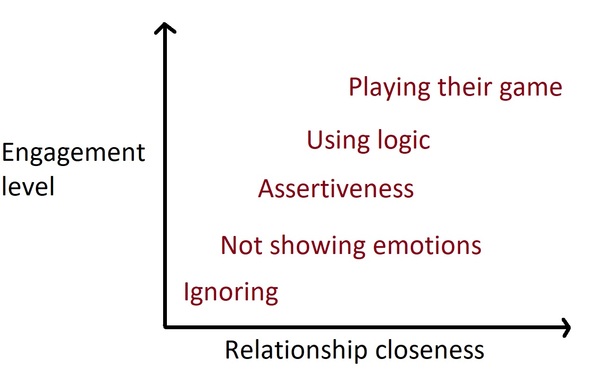
    1. Ignoring the manipulator

    As soon as you realize you’re being manipulated, opt out of their game. Stop giving any more energy to the manipulator. A manipulator needs engagement from you to manipulate you.

    When you’re disengaged, none of their tactics is going to work. Be like a wall when interacting with them. Everything they say and do bounces right off of you.

    Delaying reacting and give yourself time to respond appropriately or not at all.

    2. Not showing emotions

    If you’re at a point where you can no longer opt out of their game, a manipulator has likely gotten hold of your emotions. They’ve had you emotionally involved.

    This usually happens when people who are close to us manipulate us. It’s easy to ignore strangers, but ignoring friends and family members is hard and can have consequences.

    Once you’re under your manipulator’s emotional grip, you can’t help getting affected emotionally by the things they say and do.

    No matter how you feel inside, avoid expressing it on the outside. This can be hard to do, especially for people who tend to be expressive and honest. But you need to do it if you want to disempower your manipulator.

    When a manipulator sees they can press your emotional buttons, they’ll control you like a puppet. When they see they don’t emotionally affect you, they’ll conclude you’re hard to manipulate.

    3. Assertiveness

    Using assertiveness to counter manipulation can be risky because assertiveness involves a good level of engagement. If you’re assertive with your manipulator, you’ll likely sink deeper into their trap and get involved in a conflict.

    Although your goal should be to minimize engagement with the manipulator as much as possible, sometimes confrontation and conflict are necessary.

    If ignoring and being emotionally unexpressive doesn’t work, you’re forced to be assertive or even aggressive.

    When someone manipulates you, they get the upper hand on you. They gain power over you. You can disempower them using assertiveness or aggression.

    Examples of assertive communication would be:

    “I know you’re trying to manipulate me.”
    “I won’t tolerate that behavior from you.”

    Aggressiveness involves some devaluing of the manipulator to re-balance power:

    “You should be ashamed of your behavior.”
    “I expected that shitty behavior from you.”

    4. Using logic

    Since most manipulation tactics are emotional, you can always use logic to counter them.

    Note that it requires a greater level of engagement from you. So you should reserve this method only for people who are the closest to you.

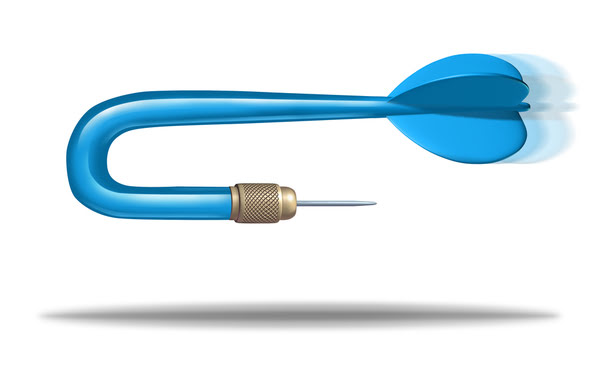
    engagement levels

    A manipulator will often use some biased emotional reasoning to manipulate you. For example, they might say something like:

    “You always do this to me.” (Making you feel guilty)
    “You’re a failure.” (Devaluing you)

    You can challenge the first statement by saying something like:

    “Always? Are you sure? Let’s think of examples where I did the opposite.”

    And the second statement by:

    “Awesome! I make one mistake, and I’m a failure. What about all the times when I didn’t screw up?”

    As you can see, you’re defending yourself here. It’s okay to defend yourself in close relationships when a lot is at stake.

    Note that using logic only works on logical people. If your manipulator is anything but logical, it’s best to stick to previous methods.

    5. Playing their game

    You know their behavioral patterns. You know their motives. Great!

    You have everything you need to give them the ultimate blow.

    You first let them think they’re getting away with their manipulation by doing precisely what they expect you to do.

    You back out just before they get that big win in the end. You don’t do what they expected you to do. Or you do the exact opposite. Doing so will throw them deep into the depths of confusion and frustration.

    They’ll have invested a lot of time and energy into manipulating you and not have anything to show for it.

    They’ll be sure not to mess with you again.